
WHAT ARE RETALIATORY TARIFFS? PRACTICAL IMPACTS ON IMPORT-EXPORT BUSINESSES
In an increasingly competitive global trade environment, tariffs are no longer merely tools for government revenue collection; they have also become economic instruments used by countries to exert pressure on one another. One of the measures that frequently appears in trade disputes is the retaliatory tariff.

So, what exactly are retaliatory tariffs, why do countries impose them, and how do they affect Vietnamese goods? The article below provides import–export businesses with a clear understanding of their nature, consequences, and effective response strategies.


What Are Retaliatory Tariffs in International Trade?

At present, Vietnamese law does not provide an official definition of retaliatory tariffs. However, in international trade practice, the term is widely used in the context of tariff disputes between countries.

Retaliatory tariffs refer to duties imposed by one country on goods or services from another country in response to unfavorable trade or tariff policies applied to its own products. In simple terms, they are a form of “countermeasure taxation” aimed at:

  • Protecting domestic industries

  • Exerting economic pressure on trading partners

  • Forcing parties to renegotiate tariff policies


Key Characteristics of Retaliatory Tariffs

Retaliatory tariffs are not ordinary tax measures; they carry significant strategic importance in international trade.

First, they are reactive trade instruments used when a country believes it has suffered damage due to another country’s tariff policies. Second, retaliatory tariffs often arise in major trade disputes, including anti-dumping cases, subsidy-related conflicts, or market protection measures. Finally, they involve not only economic considerations but also political and diplomatic factors in both bilateral and multilateral negotiations.

As such, retaliatory tariffs are not merely a numerical tax rate; they also represent a firm message in the global economic landscape.

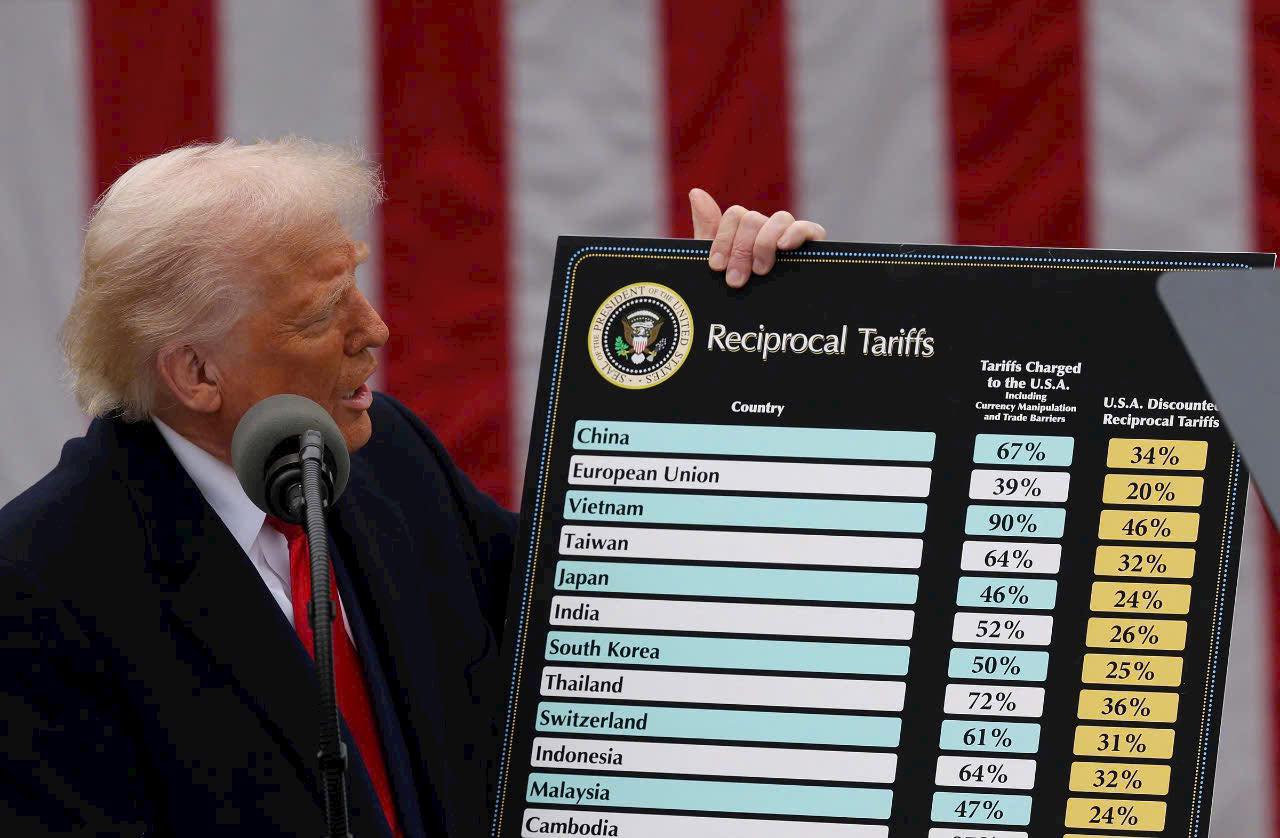
U.S. President Donald Trump announced a 46% tariff on imports from Vietnam

Practical Example of Retaliatory Tariffs

Consider a scenario in which Country A imposes a 30 percent anti-dumping duty on steel imported from Country B, claiming that the steel is being sold below fair market value and is harming domestic producers.

The consequences for Country B include:

  • Loss of export market share

  • Significant decline in revenue

  • Pressure on the domestic steel industry to scale down production

In response, Country B may impose retaliatory tariffs on key export products from Country A, such as automobiles, agricultural products, or electronics. As a result:

  • Goods from Country A become more expensive in Country B’s market

  • Consumer demand declines

  • Country A faces pressure to renegotiate its tariff policy

This example illustrates how retaliatory tariffs function as an economic tool to rebalance trade interests and protect national commercial positions.


Impacts of Retaliatory Tariffs on Stakeholders

For the Country Imposing Retaliatory Tariffs


Benefits:

  • Protects domestic industries from unfair competition

  • Encourages consumption of locally produced goods

  • Increases government revenue


Drawbacks:

  • Escalates trade tensions

  • Raises the risk of prolonged trade wars

  • Leads to higher import prices for domestic consumers


For the Country Subject to Retaliatory Tariffs

  • Exported goods lose price competitiveness

  • Export volumes decline significantly

  • Businesses face severe financial pressure

  • Trade and diplomatic relations may deteriorate


For Consumers

  • Higher prices for imported goods

  • Reduced product variety

  • Increased vulnerability to supply chain disruptions


Case Study: High U.S. Tariffs on Vietnamese Goods and Their Consequences

During the administration of President Donald Trump, the United States announced tariffs of up to 46 percent on certain Vietnamese products with the objectives of:

  • Reducing the trade deficit

  • Protecting domestic manufacturing

  • Advancing a policy agenda focused on domestic economic priorities


Consequences for Vietnamese Businesses

As a result of these tariffs:

  • Vietnamese goods became significantly more expensive in the U.S. market, reducing their competitive advantage compared with products from other countries.

  • Key export sectors such as textiles and garments, seafood, and wooden furniture faced the risk of substantial order reductions.

  • Businesses were forced to cut labor costs and scale down production.

  • National export growth and GDP were negatively affected.


Strategies to Mitigate Risks from Retaliatory Tariffs

To minimize the negative impacts of retaliatory tariffs, both businesses and governments should adopt long-term strategies.


Diversifying Export Markets

Reducing reliance on a single market and leveraging free trade agreements such as EVFTA and CPTPP can help spread risk and maintain stable export flows.


Enhancing Product Value

Focusing on quality, technological innovation, and brand development allows businesses to move into higher-value market segments where price sensitivity is lower.


Strengthening Trade Negotiations

Clarifying allegations, presenting transparent data, and building fair and balanced trade relationships are essential for resolving disputes.


Developing Domestic Supply Chains

Improving local sourcing capabilities helps reduce input costs and enhances production autonomy, making businesses more resilient to external shocks.


Conclusion

Retaliatory tariffs are strategic trade instruments used by countries to safeguard economic interests and apply pressure in international negotiations. For Vietnamese import–export businesses, understanding what retaliatory tariffs are, how they function, and how to prepare appropriate response strategies is crucial in an increasingly volatile global trade environment.

By proactively diversifying markets, enhancing product value, and staying well-informed about international trade policies, businesses can not only mitigate tariff-related risks but also build a more sustainable and resilient growth path in the long term.

If you’re looking for the best import-export solutions, feel free to contact us for detailed consultation. If you need legal support or assistance with customs procedures in import-export activities, please contact Smart Link Logistics for fast and efficient consultation. With over 15 years of experience in the transportation field, we are proud to accompany you throughout your journey.

Hotline: + 84 902 964 982 to know more about our services

If you require assistance with international import and export of goods, please contact our team at Smartlink Logistics. We are available to provide you with professional guidance on our services and the necessary customs procedures.

SMART LINK: BEST SERVICE BEST YOU

? SMART LINK LOGISTICS ?
?215-217 Tran Hung Dao, Co Giang Ward, Dist 1, Hochiminh, Vietnam
? Hai Phong Branch ? Da Nang Branch ? Ha Noi Branch
✈️ Air Freight, ? Sea Freight, ? Custom Clearance, ? Warehouse, ?Trucking
Hotline: +84902964982
Email: marketing03@smartlinklogistics.com.vn
Member: BNI, VCCI, VLA
———
✈️ ? For sea freight, airfreight, express, customs….
Smart Link Logistics could bring your cargo to the world.
Pro Vietnamese customs, Door To Door, FaceMask, Glove, Smart Link Logistics, Ocean Freight, Air Freight, Express, Amazon, Heart Service
#haiquan #xuatnhapkhau #duongbien #smartlinklogistics #cuocvantaiquocte #logistics #thongquan

partnerpartnerpartnerpartnerpartnerpartnerpartnerpartnerpartnerpartnerpartnerpartnerpartnerpartnerpartnerpartnerpartnerpartnerpartnerpartnerpartnerpartnerpartnerpartnerpartnerpartnerpartnerpartner